
"alcohol lamp brewing"
300 article(s) found
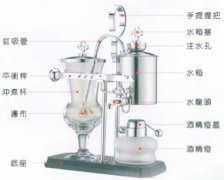
How to use the Royal Belgian Pot
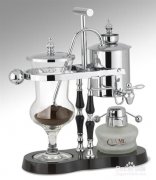
1. Turn off the faucet, turn on the water tank plug, fill the 420cc450cc with water, and then close the water injection port. two。 Put the right amount of coffee powder into the brewing cup as you like. 3. Press down the balancing rod, open the alcohol lamp lid, and light the alcohol lamp. 4. When the water in the kettle is boiled, the hot water is pushed from the kettle to the glass through the siphon (siphon principle) 5. The hot water in the kettle reaches behind the glass.

How to use the Royal Belgian Pot for Coffee making
1. Turn off the faucet, turn on the water tank plug, fill the 420cc450cc with water, and then close the water injection port. two。 Put the right amount of coffee powder into the brewing cup as you like. 3. Press down the balancing rod, open the alcohol lamp lid, and light the alcohol lamp. 4. When the water in the kettle is boiled, the hot water is pushed from the kettle to the glass through the siphon (siphon principle) 5. The hot water in the kettle reaches behind the glass.

Yunnan coffee common sense coffee growing environment and brewing
Arabica scientific name: Coffea arabica family: Rubiaceae coffee morphological characteristics: small trees or large shrubs, plant height 5~8 meters. Base usually much branched, older branches gray. nodes dilated, young branches glabrous. Leaves thin leathery ovate-lanceolate or lanceolate, apex long acuminate, base cuneate or slightly obtuse, entire or shallowly undulate, glabrous on both sides. Cymes several clustered in leaf axils
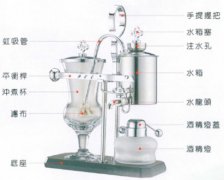
How to use the Royal Belgian Pot for Coffee making
1. Turn off the faucet, turn on the water tank plug, fill the 420cc450cc with water, and then close the water injection port. two。 Put the right amount of coffee powder into the brewing cup as you like. 3. Press down the balancing rod, open the alcohol lamp lid, and light the alcohol lamp. 4. When the water in the kettle is boiled, the hot water is pushed from the kettle to the glass through the siphon (siphon principle) 5. The hot water in the kettle reaches behind the glass.
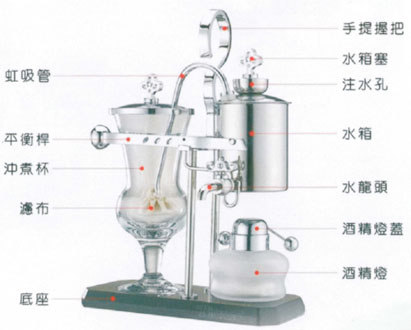
How to use the Royal Belgian Pot for Coffee making
1. Turn off the faucet, turn on the water tank plug, fill the 420cc450cc with water, and then close the water injection port. two。 Put the right amount of coffee powder into the brewing cup as you like. 3. Press down the balancing rod, open the alcohol lamp lid, and light the alcohol lamp. 4. When the water in the kettle is boiled, the hot water is pushed from the kettle to the glass through the siphon (siphon principle) 5. The hot water in the kettle reaches behind the glass.

How to make coffee in a royal Belgian pot?
From its appearance, the Royal Belgian kettle looks like a balance. On the right is a kettle for water, and on the left is a glass kettle for coffee powder. The two sides are connected by a curved tube, and its design structure is very distinctive. For the basic situation of this coffee pot, let's briefly introduce here. Let's go back to the main topic of how to use the device to make coffee.

Siphon Coffee: siphon pot Coffee making skills siphon Pot Coffee tutorial Video
Professional coffee knowledge exchange more coffee bean information please follow the coffee workshop (Wechat official account cafe_style) alcohol lamp siphon coffee complete tutorial, brew a cup of good siphon coffee at home for a while riders invite you to enjoy the table show of the coffee shop, few people bring Syphon to the guest table to perform, equipment and procedures are complicated is one of the reasons, the boss did

Common sense of Chinese Coffee growth Environment and brewing of small Coffee
Small grain coffee scientific name: Coffea arabica family genus: Rubiaceae coffee genus morphological characteristics: small trees or large shrubs, plant height 5 meters 8 meters. Base usually much branched, old branches gray-white. Nodes inflated, young branches glabrous. Leaves thinly leathery-ovate-lanceolate or lanceolate, apex long acuminate, base cuneate or slightly obtuse, entire or shallowly wavy, both surfaces glabrous. Cymes several clustered in leaf axils

Common sense of Coffee beans in Yunnan growth Environment and brewing of small Coffee
Small grain coffee scientific name: Coffea arabica family genus: Rubiaceae coffee genus morphological characteristics: small trees or large shrubs, plant height 5 meters 8 meters. Base usually much branched, old branches gray-white. Nodes inflated, young branches glabrous. Leaves thinly leathery-ovate-lanceolate or lanceolate, apex long acuminate, base cuneate or slightly obtuse, entire or shallowly wavy, both surfaces glabrous. Cymes several clustered in leaf axils

Siphon coffee and hand coffee how to choose coffee beans siphon coffee brewing tips
Extracting a cup of fragrant coffee is an art, beautiful visual changes, people can not take their eyes off, the wonderful degree is like a performance. Unique personal style and strong personal flavor are all presented in this feast. There are many attractions of hand-brewing coffee. It is necessary to brew a cup of delicious boutique coffee with hand-brewing coffee.

Introduction to the production and brewing methods of Yunnan small-grain coffee beans in manor area
Yunnan small-grain coffee beans production methods and brewing methods 1) add an appropriate amount of pure water to the lower seat of the siphon pot (heated pure water can be used to shorten the time of boiling water. In this operation, the amount of water added is 2.5 cups, that is, about 280 milliliters, two cups of water is for guests / friends, and the extra half cup is for the brewers to taste in advance.
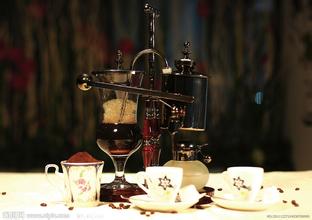
The use of all kinds of coffee machines the use of coffee pots in Belgium
First of all, open the alcohol lamp cover and inject alcohol (burning alcohol) about six minutes full. Remove the filter cloth from the attachment, cook it in boiling water for about 12 minutes, then wash it with clean water and wrap it on the filter net. Before each use, please wash and wipe all the utensils once, and pour boiling water into the water holder to simulate and cook once, in order to keep your diet hygienic. Operation 1: please set the
The operation method of siphon coffee pot introduces the technology of brewing coffee in air stopper.
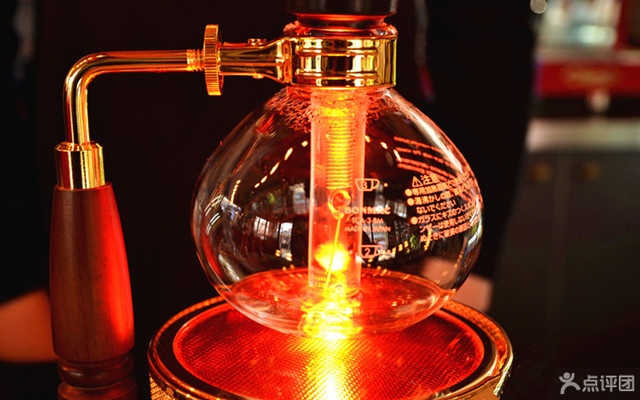
Siphon coffee pot, also known as Syphon. It was developed by Robert, an engineer of the Scottish Navy. Robert Napier invented it in 1840. Although the siphon coffee pot is called the siphon pot, it has nothing to do with the siphon principle. Instead, it uses water heating to produce water vapor, which causes the principle of hot expansion and cold contraction. It pushes the hot water from the lower seat to the upper pot, and produces negative after the next pot cools.
Introduction of coffee brewing method: historical reason of siphon pot and detailed introduction of brewing method
The first section of the history of the siphon pot The history of syphon: the siphon pot (Syphon), commonly known as "glass ball" or "siphon", is a simple and easy-to-use method of coffee brewing, and it is also one of the most popular coffee brewing methods in cafes. Although the siphon kettle has the nickname of "plug wind type", it has nothing to do with the siphon principle, but uses water to heat and produce water vapor, which causes hot expansion and cold contraction.
A complete knowledge of siphon pot
The working principle of the siphon pot How does it work: the main principle of Syphon is to use the ideal gas equation: PV=nRT, under a fixed volume, heat the boiling water to make the steam pressure of the boiling water, press the boiling water into the upper layer to brew the coffee through the glass tube, and then cool the lower layer in a similar vacuum state to absorb the brewed coffee from the upper layer, and filter the dregs with a filter in the middle. You can take it while looking at it.
Coffee growing environment
Arabica scientific name: Coffea arabica family: Rubiaceae coffee morphological characteristics: small trees or large shrubs, plant height 5~8 meters. Base usually much branched, older branches gray. nodes dilated, young branches glabrous. Leaves thin leathery ovate-lanceolate or lanceolate, apex long acuminate, base cuneate or slightly obtuse, entire or shallowly undulate, glabrous on both sides. Cymes several clustered in leaf axils

Yunnan Arabica coffee how brewing price Brand characteristics Flavor description Taste treatment method Introduction
Yunnan small coffee how to brew the price of brand characteristics flavor description taste treatment method introduced small coffee brewing strategy siphon pot characteristics: boiled coffee aroma is good, alcohol degree is high. Corresponding coffee beans: non-heavy roast single coffee beans and mixed coffee beans, such as Blue Mountain, Colombia, Brazil, etc. Adapt to the crowd: pursuit of coffee quality, not afraid of pot washing trouble, rich
The taste and pleasure of brewing coffee
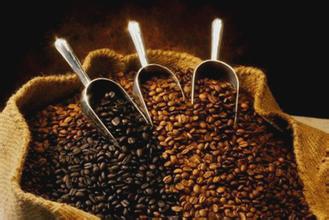
Now many people like to drink coffee, but mostly buy instant coffee for convenience, but lack the interest of brewing coffee, some people want to cook but do not know how to start, the following steps are as follows: (1) when you buy it, you should buy coffee beans of high quality. (2) after taking out the right amount of coffee beans from the bag, use a special beater to beat the coffee into coffee.
The introduction and source of small coffee novice must see
Arabica scientific name: Coffea arabica family: Rubiaceae coffee morphological characteristics: small trees or large shrubs, plant height 5~8 meters. Base usually much branched, older branches gray. nodes dilated, young branches glabrous. Leaves thin leathery ovate-lanceolate or lanceolate, apex long acuminate, base cuneate or slightly obtuse, entire or shallowly undulate, glabrous on both sides. Cymes several clustered in leaf axils